Tesla Crash in Katy Sparks Major Autopilot Investigation
Fatal Incident in Katy, Texas
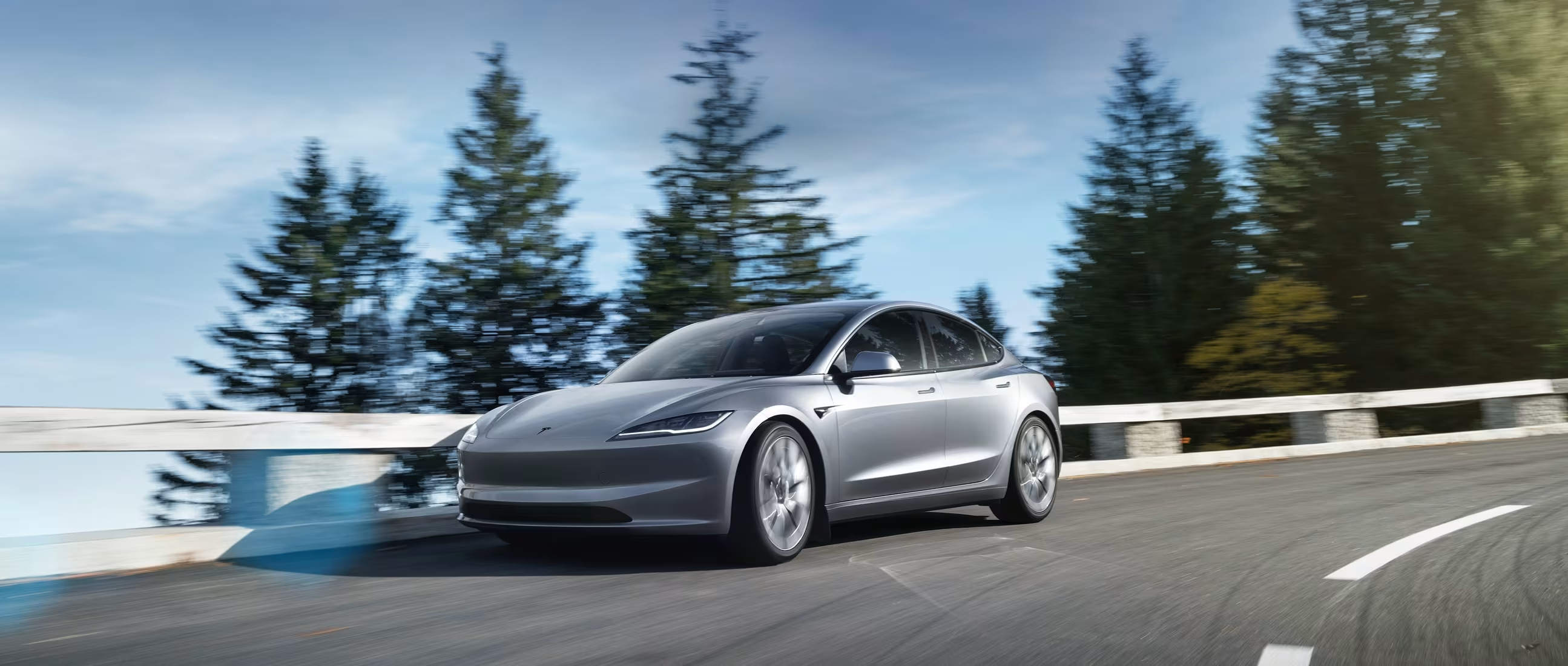
On the evening of June 20, 2026, a Tesla Model 3 crashed into the front of a residence in Katy, Texas, resulting in the death of 76-year-old Martha Avila Mantilla. At the time of the incident, the vehicle’s driver, 44-year-old Michael Butler, claimed to Harris County deputies that the car was operating on Autopilot. Investigators are currently working to verify this assertion using the vehicle’s onboard data.
Investigation Overview
This tragic event has become a focal point in a significant federal investigation into Tesla’s driver-assistance technology, which now encompasses approximately 3.2 million vehicles. The National Highway Traffic Safety Administration (NHTSA) has escalated the inquiry to Engineering Analysis status, the final phase before a potential recall.
Details of the Crash
Witnesses reported that the Tesla was traveling at speeds between 60 and 70 miles per hour before it struck a curb and crashed through the two-story brick facade of the home on Blooming Park Lane. Butler reportedly failed to maintain lane discipline and did not execute a required turn at an intersection prior to the collision.
Avila Mantilla was airlifted to Memorial Hermann Hospital, where she was later pronounced dead. Butler was taken to the hospital via ambulance, where he cooperated with the authorities. As of the latest updates, no signs of intoxication were detected, and no charges have been filed against him.
Impact on the Home and Family
The damage to the residence, which was home to two parents, three young children, and Avila Mantilla, was so extensive that it rendered the property uninhabitable. A GoFundMe campaign has been initiated to support the family, who are currently residing in a hotel.
Investigative Challenges
Butler’s specific wording is crucial to the investigation. He indicated to deputies that the Tesla was on Autopilot during the crash. The Harris County Sheriff’s Office has confirmed that he stated an automated driving assistance system was engaged.
Authorities must now investigate the vehicle’s event data recorder and onboard logs to determine if the automated driving features were active at the time of the incident. Sgt. Alex Turman from the Harris County Sheriff’s Office noted, “We’re digging into that. That’s a line of investigation for sure,” regarding the use of the vehicle’s automated features.
Product Naming Complications
Complicating matters further, Tesla discontinued the Autopilot branding for new vehicles in the U.S. and Canada in January 2026, following a ruling by a California administrative law judge that deemed the term misleading. However, many existing Tesla vehicles still utilize the software. If the Model 3 involved in the crash was purchased prior to this change, it could still have had Autopilot active.
Legal and Regulatory Context
The implications of Tesla’s product naming have gained legal attention. In December 2025, a California judge ruled that Tesla’s use of “Autopilot” violated state law, stating that “Full Self-Driving” was “actually, unambiguously false.” To avoid penalties, Tesla ceased using the Autopilot name and has since pursued legal action against the California Department of Motor Vehicles.
In a separate wrongful death case from a 2019 Autopilot crash, a jury awarded $243 million against Tesla, attributing 33% of the liability to the company’s system design and marketing. This ruling was upheld by a U.S. District Judge in February 2026.
Technical Concerns
Technical scrutiny is also a significant aspect of the ongoing investigations. Tesla’s Autopilot and Full Self-Driving systems rely solely on a camera-based architecture, lacking radar or lidar systems. This design choice raises concerns about the vehicle’s ability to detect and respond to various driving conditions, such as poor visibility due to weather.
NHTSA’s Ongoing Investigation
On March 18, 2026, NHTSA initiated Engineering Analysis EA26002, which examines an estimated 3,203,754 vehicles including Model 3 sedans from 2017 to 2026. The focus is on the reliability of Tesla’s degradation detection system, which is supposed to alert drivers when cameras are compromised by environmental factors.
Although the Katy crash did not occur in low-visibility conditions, it coincides with ongoing regulatory scrutiny regarding the trustworthiness of Tesla’s systems under various circumstances. This incident exemplifies the disparity between consumer expectations of Level 2 automation and the actual operational requirements.
Future Steps
Investigators plan to analyze the Model 3’s event data recorder, vehicle logs, and onboard camera footage to clarify the vehicle’s operational state moments before the crash. Time constraints imposed by Tesla’s data retention policies may affect the investigation’s progress.
NHTSA’s Engineering Analysis is projected to continue until approximately September 2027, at which point the agency will determine whether to close the case, issue a voluntary recall request, or mandate a recall across the affected vehicle population. As of June 22, 2026, no recall has been initiated.
A separate NHTSA Preliminary Evaluation, PE25012, examining around 2.88 million Tesla vehicles for potential traffic violations remains open. This investigation has documented numerous instances of Full Self-Driving executing illegal maneuvers.
As of now, Tesla has not provided any comments regarding the Katy incident, as the company has not maintained a media relations team for several years.
Frequently Asked Questions
- Was the Tesla actually on Autopilot when it crashed? The driver, Michael Butler, claims it was. Investigators are verifying this through vehicle data.
- What distinguishes Tesla Autopilot from Full Self-Driving? Autopilot combines lane centering and adaptive cruise control, while Full Self-Driving can navigate more complex environments but still requires driver attention.
- How many vehicles are involved in the NHTSA investigation? Approximately 3.2 million Tesla vehicles are part of the Engineering Analysis regarding Full Self-Driving safety concerns.
- Why is Tesla’s camera-only system under scrutiny? The reliance on cameras without additional sensors raises concerns about the system’s ability to handle adverse conditions effectively.
Source Reference (techtimes.com): Tesla Autopilot Claim in Fatal Katy Crash Hits 3.2 Million-Vehicle Recall Probe