Must-Have Gear for New Airplane Owners
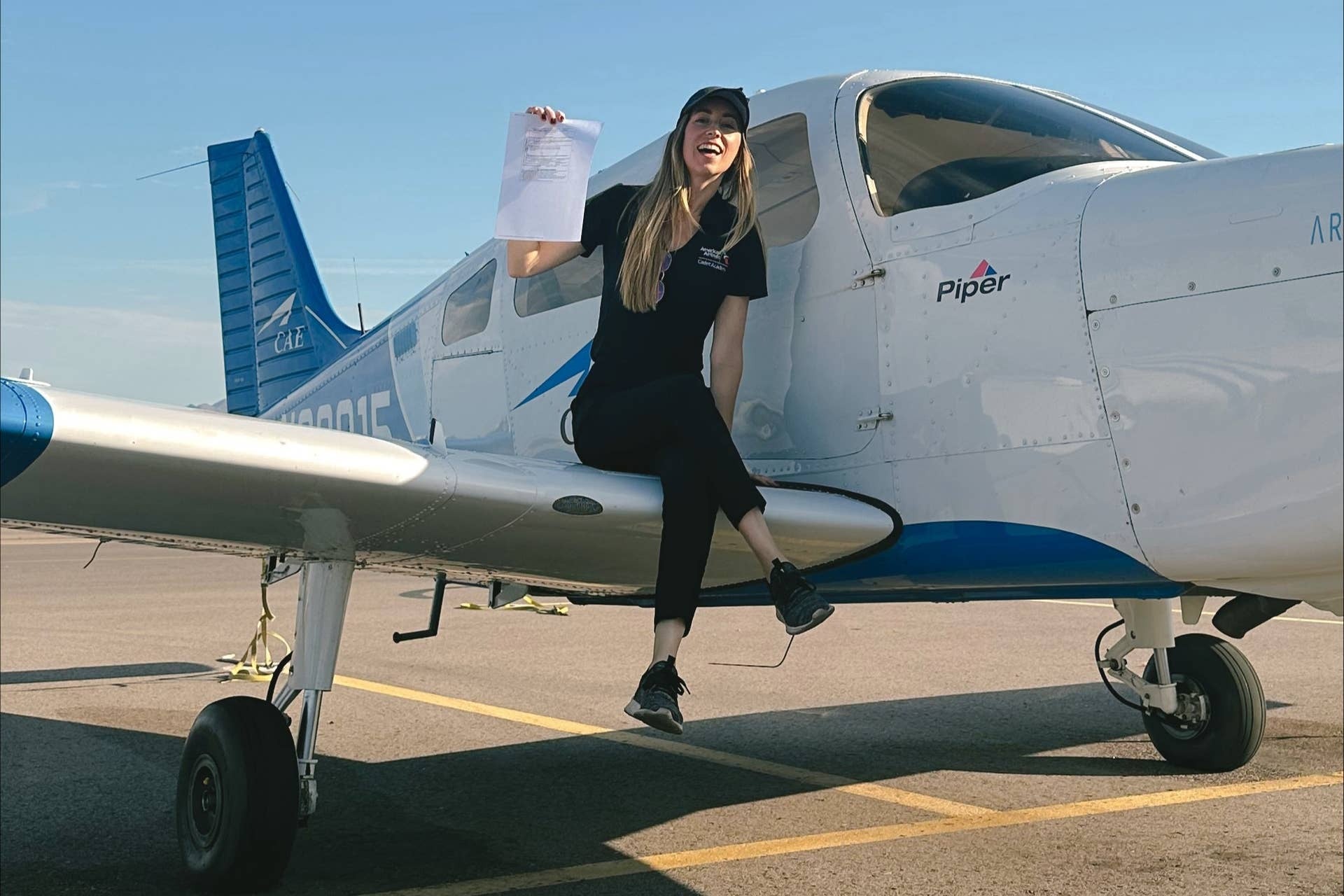
Preparing for Aircraft Ownership
Considering the purchase of an airplane is a thrilling endeavor that often demands patience and thoroughness. After navigating through numerous online listings, reviewing maintenance logs, conducting inspections, and finalizing the paperwork, you finally hold the keys to your new aircraft.
However, the excitement can quickly turn into realization: essential items like a fuel tester are missing, the pitot tube cover is absent, and the fire extinguisher may be outdated.
While acquiring the aircraft itself is significant, outfitting it with the appropriate tools and accessories is equally vital. This guide from FLYING will assist you in assembling the necessary equipment to fully enjoy your new airplane from the outset.
Essential Equipment
As a new aircraft owner, you are likely an experienced pilot. You may already possess basic gear, such as a headset and flight bag. However, older equipment may need upgrading. Purchasing a new aircraft is an ideal opportunity to assess and enhance your existing tools.
Personal Flying Gear
- Headsets: Consider having additional headsets for passengers. Even if you rarely fly with others, having a spare ensures you’re prepared if your primary headset fails.
- Bose A30 Aviation Headset
- Lightspeed Zulu 3 Headset
- Survival Kit: A basic survival kit is essential for emergencies, providing tools for shelter, clean water, and medical assistance. You can create your own or purchase a pre-assembled kit.
- Flight Gear Survival Multitool Kit
- General Purpose First Aid Medical Kit
- Flashlight or Headlamp: Always keep a flashlight or headlamp in your flight bag. A red light setting is preferable for preserving night vision during preflight checks or inspecting dark areas.
- Black Diamond Spot 400 Headlamp
- Sporty’s Dual Color LED Flashlight
- Hand-held Radio: A hand-held radio serves as a backup for communication failures and can be used on the ground to monitor traffic before takeoff. They are affordable and versatile for both emergency and routine operations.
- Icom A25N Portable NAV/COM Radio
Recommended models include:
At minimum, include a waterproof container or dry bag filled with a multitool, ferro rod, emergency blanket, portable water filter, and a small first-aid kit.
Recommended kits include:
Recommended models include:
Recommended model:
Aircraft Safety Equipment
- Fire Extinguisher: While not mandated for Part 91 operations, having a small, accessible fire extinguisher is prudent. It may help mitigate damage in the event of an engine fire.
- Carbon Monoxide Detector: Monitoring carbon monoxide levels is critical for safety. Choose a small detector card for your instrument panel or a more sophisticated device.
- Forensics Carbon Monoxide Detector
- Pitot Tube Cover: Protecting the pitot tube is essential, regardless of whether your aircraft is hangared or parked on the ramp. This prevents dirt and debris from obstructing your flight instruments.
- Wheel Chocks: Use wheel chocks to prevent your aircraft from rolling while parked. A single set for the nosewheel is typically sufficient.
- Rubber Wheel Chocks
- Aluminum Wheel Chocks
- Tie-down Ropes: Even if your aircraft is hangared, having tie-down ropes is wise for travel, as not all airports provide tie-downs for visiting aircraft.
Ensure it’s securely stored within easy reach, preferably behind the pilot’s seat or between the front seats.
Recommended model:
Recommended models include:
Avionics and Navigation Gear
You don’t need to replace your airplane’s instrument panel to enhance navigation and situational awareness. Portable devices like GPS units and tablets can offer many of the same advantages as built-in systems at a fraction of the cost.
- Portable GPS Units and ADS-B: A portable GPS serves as a reliable backup, especially if your aircraft’s built-in GPS fails. It’s also useful for emergency preparedness.
- ForeFlight Sentry Mini ADS-B Receiver
- Stratus 3 ADS-B Receiver
- iPad or Tablet: Tablets, particularly iPads, have gained popularity among pilots. Electronic flight bags (EFBs) like ForeFlight and Garmin Pilot provide comprehensive tools for flight planning and monitoring.
- iPad Mini
- ArmorGlas Anti-Glare Screen Protector
- MyGoFlight iPad Flex Suction Mount
Recommended models include:
Recommended accessories include:
Maintenance and Ground Operations Equipment
Pilots with at least a sport or private pilot certificate can legally perform preventative maintenance on their aircraft, which includes tasks like oil changes and replacing light bulbs.
Investing in a basic toolkit with screwdrivers, wrenches, and pliers will allow you to handle minor repairs and familiarize yourself with your aircraft’s systems.
- Ground Handling: Essential preflight tools such as a fuel tester, windscreen cleaner, nitrile gloves, and cleaning rags should be on hand. In colder climates, consider an engine preheater for easier starts.
- Hangar Supplies: Equip your hangar with cleaning and organizational tools like shelving, trash cans, and brooms.
- Canopy Cover: A canopy cover protects your aircraft from the elements while parked. This is especially useful when flying away from home.
- Sporty’s Windshield Care Kit
- GATS Jar Fuel Tester
- Travel Canopy Aircraft Cover
Recommended items include:
Budgeting and Prioritization
When acquiring gear for your new aircraft, establishing a budget is essential. Differentiate between necessities and luxuries to clarify your spending priorities. Safety items such as fire extinguishers and carbon monoxide detectors should be top of the list.
Remember, not every item needs to be purchased immediately. As long as you have the essentials for daily operations, you can gradually acquire additional equipment over time.
Preparing for Flight
As you adapt to aircraft ownership, continue to seek information and ask questions. Advances in technology, regulations, and your flying skills will necessitate future equipment upgrades.
From personal gear to maintenance supplies, outfitting your airplane to suit your needs is part of the rewarding experience of ownership. Equipping yourself with the right tools will ensure safe and enjoyable flying adventures for years to come.
Frequently Asked Questions
- What are the most critical pieces of equipment to buy when I first get an airplane? Prioritize essential safety items such as headsets, survival kits, and flashlights, along with aircraft safety gear like fire extinguishers and carbon monoxide detectors.
- What is the most important personal gear for a pilot? A quality headset is vital, along with a survival kit, a handheld radio, and a reliable flashlight.
- What kind of equipment is needed for aircraft maintenance? A basic toolkit with common wrenches and screwdrivers, cleaning supplies, and a canopy or cockpit cover for protection.
- Should I buy a portable GPS or rely on the plane’s built-in system? A portable GPS serves as an excellent backup, especially for newer pilots, and consider using an iPad or tablet with an electronic flight bag app.
- Do I need to buy everything at once? No, it’s more important to budget and prioritize safety items first, then gradually acquire additional equipment as needed.
Source Reference (flyingmag.com): Equipment to Purchase When Buying an Airplane